In this guide
For years, tubular lead-acid batteries were the standard choice for UPS and solar backup in Pakistan. Today most new solar systems in Rawalpindi and Islamabad use lithium (LiFePO4) batteries instead. Lithium costs more upfront, so is it worth it? This guide compares the two on usable capacity, lifespan, maintenance and real cost over time.
Lithium vs tubular: quick comparison
| Tubular lead-acid | Lithium (LiFePO4) | |
|---|---|---|
| Usable capacity | About 50% of rated capacity, for long life | Typically 80–90% of rated capacity |
| Cycle life | Typically around 1,000–1,500 cycles | Typically several thousand cycles |
| Typical life in daily solar use | A few years | Around 10 years or more |
| Maintenance | Distilled water top-ups, terminal cleaning | None |
| Charging efficiency | Lower, so more solar is lost as heat | Higher, so more solar is stored |
| Charging speed | Slow, needs long absorption charge | Fast, suits short winter days |
| Weight and space | Heavy and bulky | Much lighter and compact |
| Upfront cost | Lower | Higher |
Figures vary by brand and model. Always check the datasheet and warranty for the exact battery.
Usable capacity: the number that matters
Battery labels show rated capacity, but what you can actually use is different. Tubular batteries should normally be discharged only to about half their capacity, or their life drops sharply. Lithium batteries can be used much more deeply.
Example:
- Two 12V 200Ah tubular batteries = 4.8kWh rated, but only about 2.4kWh usable for a long life.
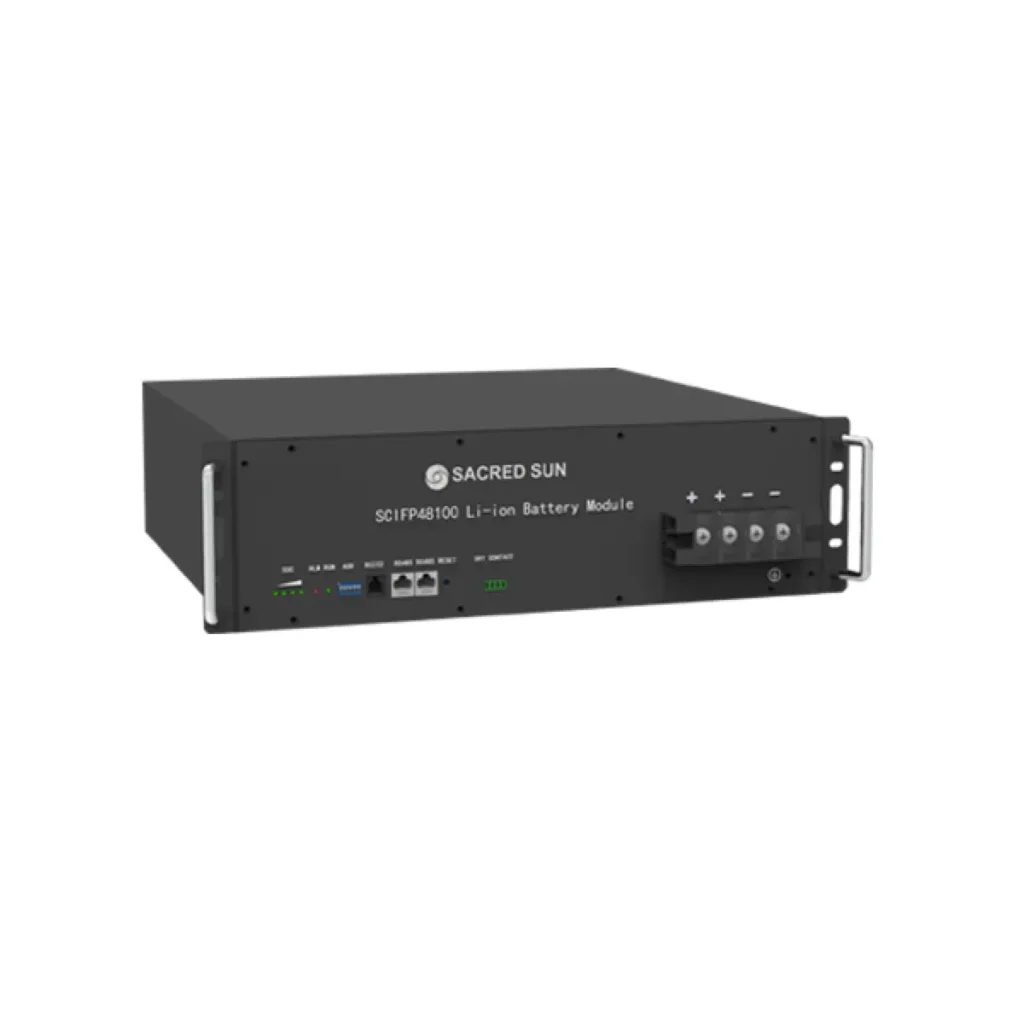
- One 48V 100Ah lithium battery, such as the Sacred Sun SCIFP48100 = 4.8kWh rated, and about 4.3kWh usable.
So for the same rated size, lithium gives you close to twice the backup time.
Lifespan and the real cost over time
A solar battery is charged and discharged almost every day. Tubular batteries used this way usually need replacing within a few years. A good LiFePO4 battery is designed for thousands of cycles and is commonly warrantied for many years.
The fairest way to compare is cost per usable kWh over the battery’s life: the price divided by usable capacity times the number of cycles. Because lithium delivers more usable energy per cycle and lasts far more cycles, its lifetime cost is usually lower than tubular, even though it costs more on day one. You also avoid the cost and hassle of replacing tubular batteries several times.
Why lithium suits solar in Pakistan
- Winter days are short. Lithium charges quickly, so it fills up in the few hours of good sun.
- Load shedding means frequent cycling. Lithium handles daily deep cycling without the sulphation that ages lead-acid batteries.
- Net billing pays little for exports. Since 2026, storing surplus solar in a battery is worth more than exporting it. See net billing in Pakistan 2026.
- Heat. Lithium batteries should still be installed in a shaded, ventilated place, but they cope with high temperatures better than flooded lead-acid batteries.
When does tubular still make sense?
Tubular batteries can still be a reasonable choice for a small UPS used only during occasional outages, or for a temporary setup where the lowest upfront cost matters most. For any solar system that cycles daily, lithium is the better long-term choice.
Will lithium work with my inverter?
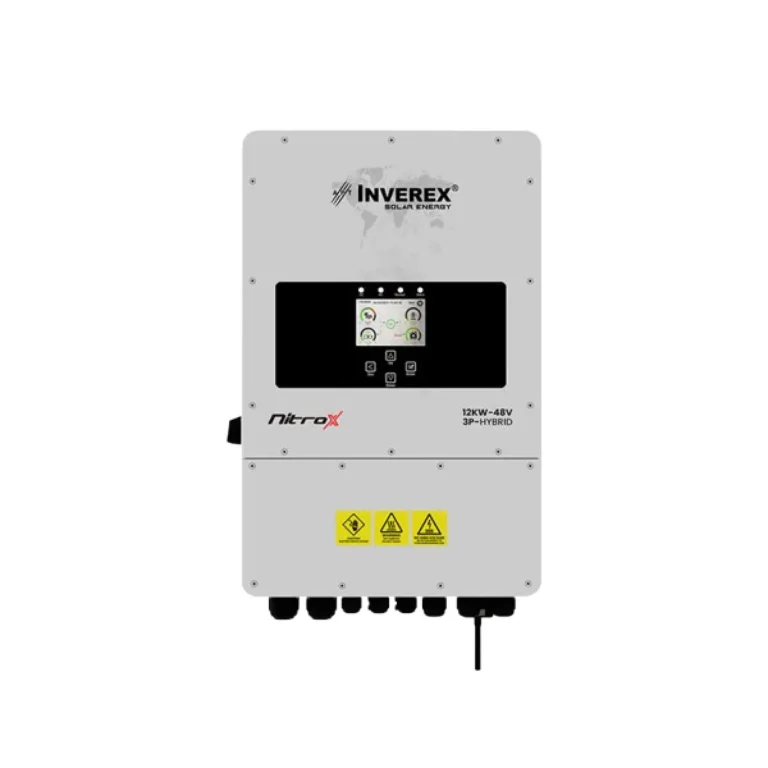
Most modern hybrid and off-grid solar inverters, including Growatt and Inverex models, support lithium batteries. Older UPS units and some basic inverters may not have the right charging settings. Some lithium batteries also communicate with the inverter through their BMS for safer charging. Send us your inverter model and we will confirm compatibility. See our hybrid inverters.
Lithium batteries we supply
- Sacred Sun 48V low-voltage and high-voltage LiFePO4 batteries
- Zetara 5kWh LiFePO4 units in indoor (IP20) and outdoor (IP65) versions
- Inverex lithium batteries
Browse all solar batteries or Zetara batteries.
Frequently asked questions
How long does a lithium solar battery last?
A quality LiFePO4 battery used daily typically lasts around 10 years or more, depending on depth of discharge, temperature and the model’s rated cycles.
Can I replace my tubular batteries with lithium?
Usually yes, if your inverter supports lithium charging. The inverter settings need to be changed to the lithium profile. We can check your setup and do the changeover.
How much battery do I need?
Multiply the load you want to run (in kW) by the hours of backup. For example, 1kW of fans, lights and a fridge for 5 hours needs about 5kWh usable, which is about one 5kWh lithium unit.
Is lithium safe?
LiFePO4 is the most thermally stable lithium chemistry and is the standard for home energy storage. Buy from a reputable brand with a proper BMS, and have it installed with correct cabling and protection.
Upgrade to lithium
Want longer backup and no more battery maintenance? We supply and install lithium batteries and hybrid systems across Rawalpindi and Islamabad. Contact us or WhatsApp +92 336 5564447 for a quote.
Planning solar in Rawalpindi or Islamabad?
Send us your last 12 electricity bills and get a free system design, quote and payback estimate.