
In this guide
If you are planning solar in Rawalpindi or Islamabad, the rules for sending power back to the grid changed in 2026. Net metering, where every unit you exported cancelled out a unit you imported, has been replaced for new connections by net billing. Solar still pays for itself in Pakistan, but the way you size and design your system now matters a lot more.
This guide explains what changed, who it affects, and how to plan a solar system that still gives a strong return.
What changed: net metering vs net billing
NEPRA notified the Prosumer Regulations 2026 on 9 February 2026, replacing the 2015 net metering framework for new applicants.
| Net metering (old) | Net billing (2026) | |
|---|---|---|
| How exports are counted | Units exported offset units imported, one for one | Exports and imports are billed separately |
| Price you pay for grid units | Your normal tariff | Your normal tariff |
| Price you get for exported units | Effectively the same as your tariff | A fixed buyback rate, much lower than the tariff (widely reported at around Rs 10–11 per unit for new applicants) |
| Best way to save | Export as much as possible | Use as much of your own solar as possible |
Note: the exact buyback rate and contract terms have been reported differently in different places. Always confirm the current notified rate with IESCO, or ask us, before you sign.
Who is affected?
- Existing net metering users with a valid agreement signed before 9 February 2026 are reported to stay on their old terms until the agreement expires.
- New applicants after that date come under net billing.
- Off-grid and hybrid users who do not export are not affected by the buyback rate at all.
Is solar still worth it under net billing?
Yes, because the biggest saving was never the export. It is the grid units you avoid buying. Every unit of solar you use directly replaces a unit you would otherwise buy at your full tariff, including taxes and slab charges. Only the surplus you export is paid at the lower buyback rate.
A simple example (illustrative figures, not a quote): suppose your effective grid tariff is Rs 50 per unit and the buyback rate is Rs 11.
- A unit of solar you use yourself saves about Rs 50.
- A unit of solar you export earns about Rs 11.
So every unit you use on site is worth roughly four to five times more than a unit you export. Under net billing, the goal is to maximise self-consumption.
How to design a solar system for net billing
1. Size the system to your daytime use, not your total bill
Under net metering, many homes installed the largest system the roof could hold. Now an oversized system mostly exports at the low rate. We size systems from your hourly and seasonal usage pattern so most units are used on site. For a worked example, see our 10kW solar system guide and current solar system prices.
2. Move heavy loads into solar hours
Run washing machines, water pumps, irons, dishwashers and EV charging between about 10am and 4pm. Inverter ACs set to pre-cool the house in the afternoon also use solar instead of evening grid units.
3. Consider a hybrid system with a battery
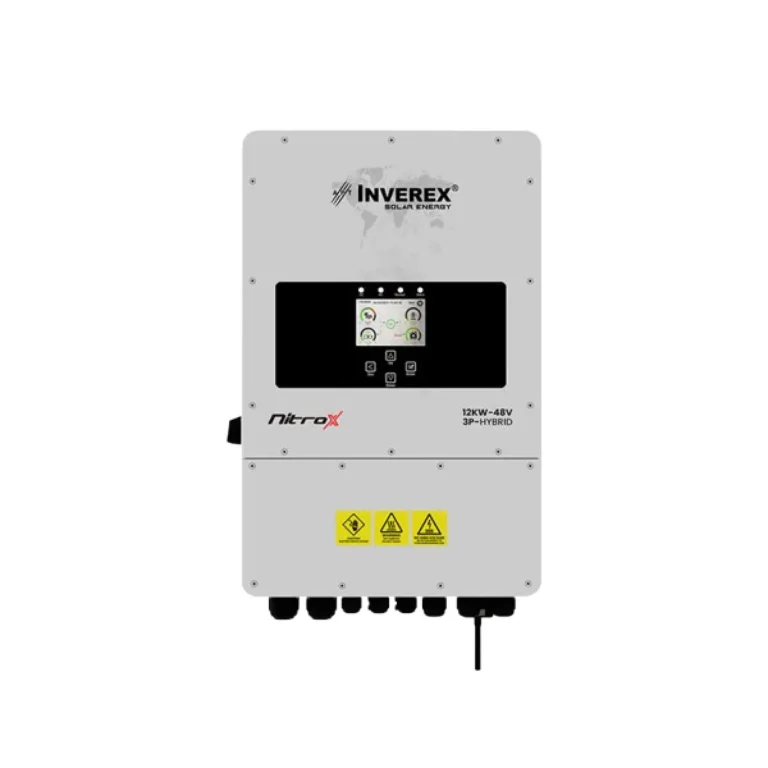
A hybrid inverter with a lithium battery stores daytime surplus and uses it in the evening, when you would otherwise buy expensive peak units. It also keeps your home running during load shedding. With low buyback rates, batteries make much more financial sense than they did under net metering. Read our comparison: On-Grid vs Hybrid Solar System in Pakistan.
4. Choose efficient panels
N-type panels from tier-1 brands produce more in summer heat and degrade more slowly, so you get more usable units from the same roof.
5. Budget for connection costs
Under the new rules, the prosumer is reported to bear interconnection costs, such as the meter and any grid upgrades, plus a concurrence fee per kW. Include these in your payback calculation.
How to apply for net billing with IESCO
- Get a system design and quote from an installer.
- Submit the application to IESCO with your CNIC, latest bill, system details and the required fees.
- IESCO carries out a technical review and site inspection.
- The agreement is signed and a bidirectional (green) meter is installed.
- Your system is commissioned and starts billing under net billing.
Quantum Engineering handles the paperwork and follow-up with IESCO as part of every on-grid and hybrid installation. See our full solar installation process.
Frequently asked questions
Will my existing net metering be converted to net billing?
Existing agreements signed before 9 February 2026 are reported to continue on their original terms until they expire. Check the expiry date on your agreement.
What is the net billing buyback rate in 2026?
It has been widely reported at around Rs 10–11 per unit for new applicants, but confirm the current notified figure with IESCO before you sign.
Should I still install an on-grid system?
On-grid is still the lowest-cost option if most of your use is during the day, as in offices, schools, factories and shops. For homes with evening use and load shedding, a hybrid system usually gives a better return now.
How long is the payback period now?
It depends on your tariff, daytime use and system design. A well-sized system that uses most of its own power still typically pays back in a few years. We give you a payback estimate with every quote.
Get a net billing-ready solar design
Send us your last 12 electricity bills and we will design a system sized for net billing, with or without batteries, and show you the expected savings and payback. Contact Quantum Engineering or WhatsApp +92 336 5564447. We serve Rawalpindi and Islamabad.
Planning solar in Rawalpindi or Islamabad?
Send us your last 12 electricity bills and get a free system design, quote and payback estimate.